Northern Virginia Regional Commission (NVRC), Fairfax, Virginia
Four Mile Run Watershed Management Program - SWMM Model Applications for Sustainable Stormwater Management
Project Overview
The Four Mile Run Watershed, a major tributary of the Potomac River, spans approximately 20 square miles and is one of the most urbanized drainage basins in Northern Virginia. Urbanization has drastically altered the watershed, replacing natural stream channels with an extensive network of storm sewers and increasing impervious surfaces over the years. These changes result in more frequent and severe flooding events as stormwater runoff is quickly channeled into the storm sewer system. To address these issues, Streams Tech has been collaborating with the NVRC to implement advanced stormwater management strategies, using a powerful geospatial Storm Water Management Model (SWMM) platform as a critical tool for flood mitigation, runoff management, and sustainable urban development. The model provides essential insights for the planning, modeling, and analysis of the watershed, supporting efforts to reduce flood risk, manage stormwater effectively, and plan for future urban growth.
Model Applications for Stormwater Management
Flood Risk Assessment and Decision Support
- Flood Mapping and Risk Analysis: The SWMM model was used to generate flood maps, including a high-resolution 2D flood simulation at upstream subcatchments, which were compared to FEMA flood risk maps to verify the accuracy of existing flood predictions and identify areas prone to flooding.
- Impact of Development: Evaluated the effects of upstream urban development on Lower Four Mile Run, ensuring that new projects do not exacerbate flooding in downstream areas.
- Climate Change Impact: The model was employed to simulate flood scenarios under different climate change forecasts, aiding in the development of long-term flood mitigation strategies.
Hydrologic and Hydraulic Analysis
- Conveyance Capacity Assessment: SWMM simulations assessed the hydraulic performance of the stormwater conveyance network during extreme rainfall events, pinpointing areas with inadequate capacity and recommending improvements. The model includes approximately a 22-mile natural drainage network and 76 miles of minor systems. Additionally, about 155 miles of overland flow paths were analyzed to accurately predict the direction and distribution of surface drainage.
- Flow Control Measures: The model identified and evaluated suitable flow control measures to reduce flood risk and enhance stormwater management throughout the watershed.
Evaluation of Best Management Practices (BMPs) and Low Impact Development (LID) Strategies
- BMP/LID Evaluation: The SWMM model was used to assess the effectiveness of various BMPs and LIDs in the Four Mile Run watershed—such as bioretention cells, infiltration trenches, and rain barrels—in mitigating flood risks. It also provided recommendations for optimizing these practices to improve flood control.
Emergency Preparedness and Real-Time Decision Support
- What-If Scenarios and Notifications: The SWMM model simulated various "what-if" scenarios to predict flood behavior during emergency situations, enabling nearly real-time notifications and swift implementation of flood management solutions.
- Emergency Response: The model supported emergency preparedness by simulating potential flood events and identifying flood risk hotspots, allowing stakeholders to take proactive measures before a disaster occurs.
Post-Disaster Analysis and Resilience Building
- Impact of Past Flood Events: The model provided valuable post-disaster analysis, helping stakeholders understand the impacts of previous floods and refine strategies to increase resilience for future events.
- Continuous Model Updates: The SWMM model was updated regularly with new rainfall, land use, and site development data, ensuring it remains relevant and accurate for ongoing flood risk management.
Urban Planning and Development Impact Assessment
- Site Development Impact: The model assessed the impact of individual development projects within the watershed, evaluating their effect on stormwater runoff and flooding behavior in both the existing and updated models.
- BMP/LID Integration: The model provided guidance on integrating BMPs or LIDs into new developments to ensure that stormwater runoff is effectively managed, minimizing flood risk.
Live Decision Support Platform
- Digital Twin: The Four Mile Run SWMM model functions as a digital twin of the watershed, continuously integrating new data, such as rainfall, land use changes, and site developments. This dynamic model supports real-time decision-making, providing stakeholders with up-to-date information on the current and future state of the watershed. It allows for the simulation of various scenarios, including flood mitigation strategies, climate change impacts, and urban planning decisions. The model serves as an ongoing decision support system (DSS) for managing flood risks, urban development, and emergency preparedness.
Key Functions Performed
- Geospatial Data Management: Updated and processed watershed data, including land use changes, stormwater control measures, and Best Management Practices (BMPs), for modeling and analysis.
- SWMM Model Updates: Regularly maintained and updated the Four Mile Run SWMM model, incorporating new data, site development, and hydrological changes to assess the impact of urbanization and inform stormwater management decisions.
- Technical Assistance & Supervision: Provided guidance to the client on data collection, stormwater management strategies, development planning, and ensured the timely completion of project deliverables.
- Hydraulic Simulations: Conducted hydraulic simulations to assess the impact of proposed infrastructure (e.g., bridges) on river hydraulics and flood management.
Related Projects
Master Plan for Sustainable Stormwater Drainage Systems in Freetown
Streams Tech, with FMC and Associates, developed Freetown, Sierra Leone’s Stormwater Drainage Master Plan using GIS and modeling to reduce floods and improve infrastructure.
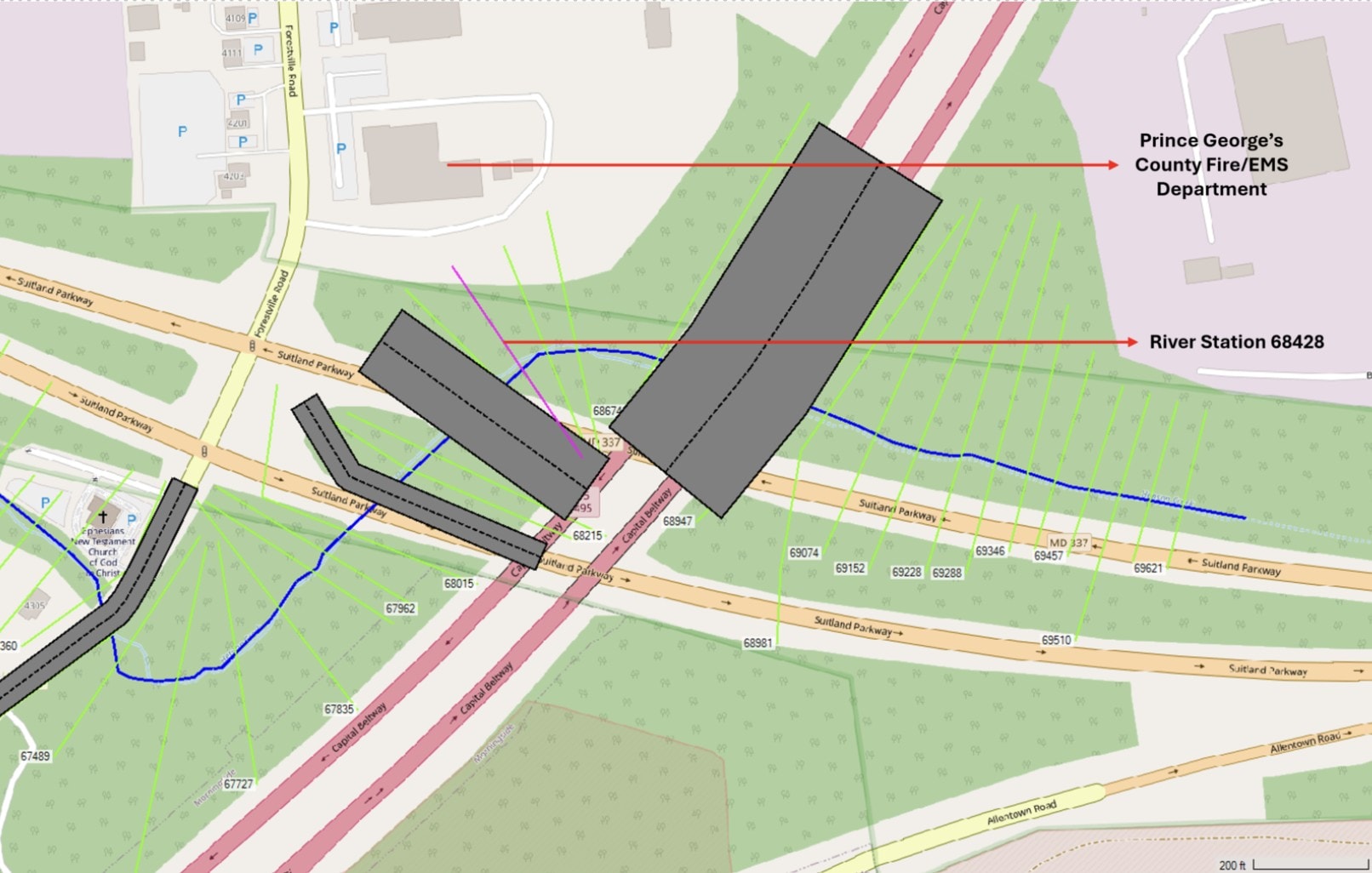
Henson Creek Hydraulic Model – Climate Resilient Flood Risk Management
The Henson Creek Hydraulic Model, developed by Streams Tech, extended the existing HEC-RAS framework upstream and across tributaries to simulate flood behavior, integrating climate resilience and nature-based solutions for sustainable water management and infrastructure planning.
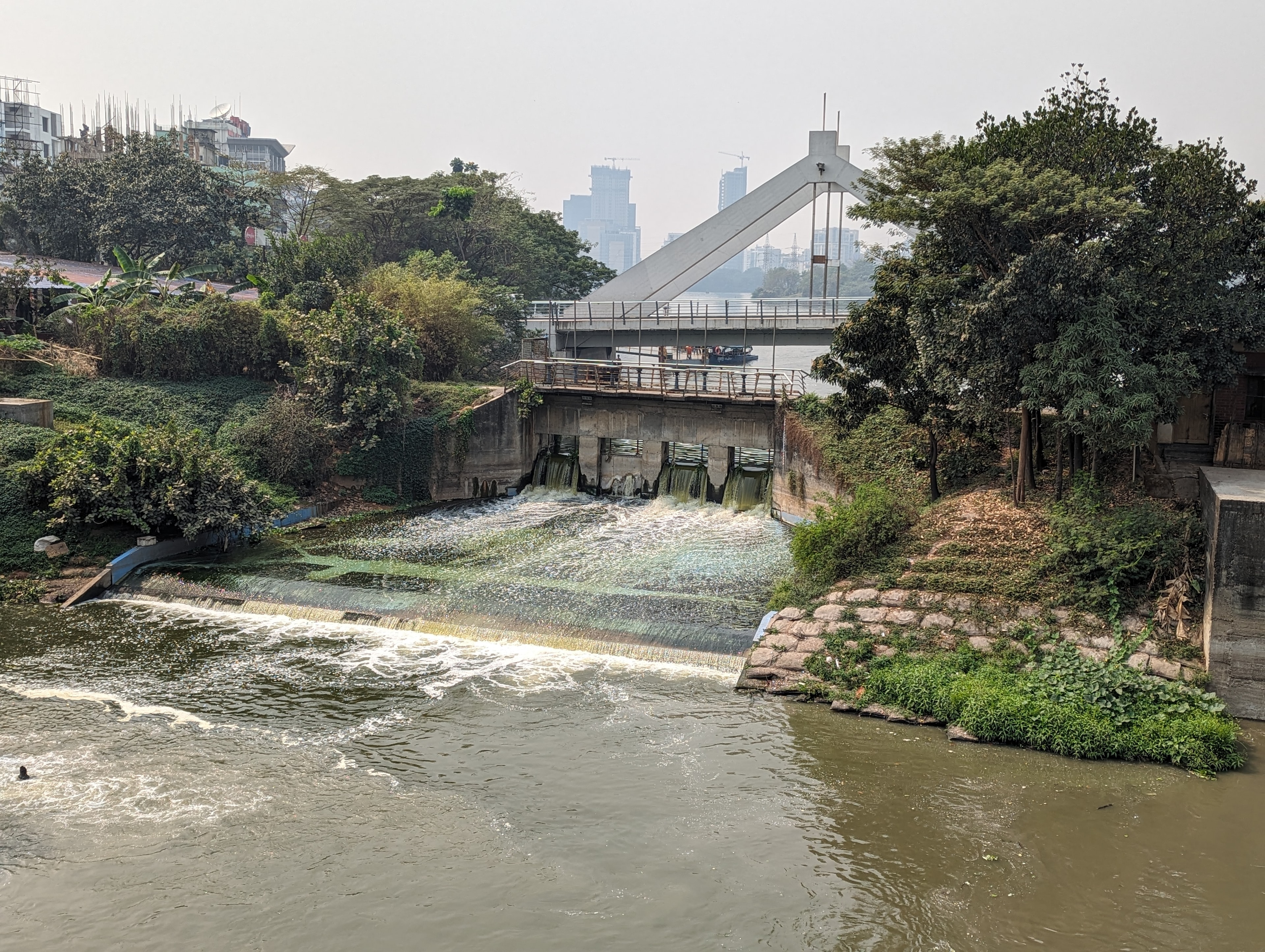
Project Preparation Study on Strengthening Capacity for Livable and Resilient Cities
This study was performed across four critical zones of a megacity to address stormwater challenges. It aimed to design climate-resilient interventions that reduce waterlogging, improve drainage efficiency, and enhance urban livability through integrated planning.
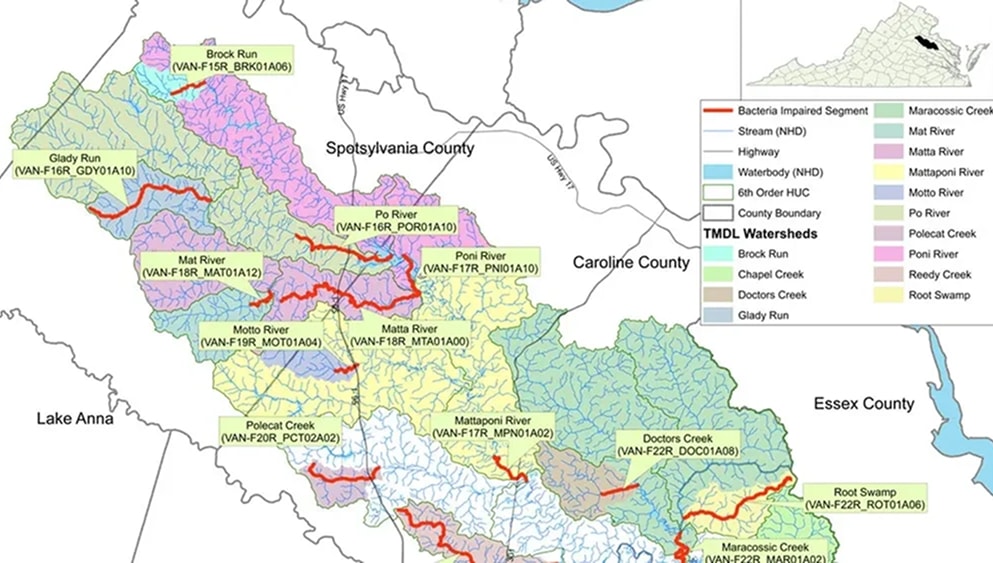
Bacteria TMDL Development for Mattaponi River Watershed
Streams Tech developed TMDLs for 14 impaired Mattaponi River streams, using GIS, HSPF modeling, and data analysis to quantify bacteria loads, propose reduction scenarios, and ensure compliance with water quality standards.
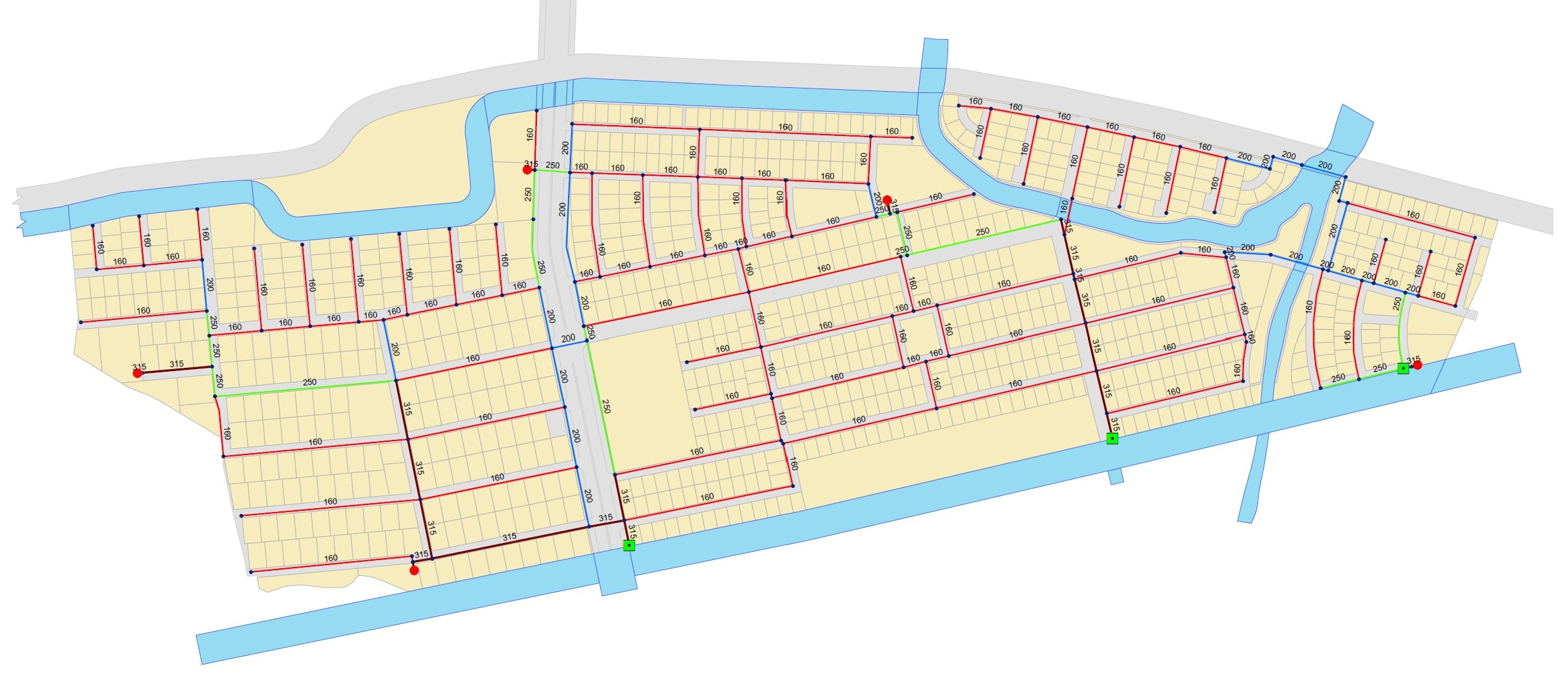
Design of Water Distribution and Storm Drainage Systems for a Private Community
Streams Tech Ltd. designed a comprehensive water distribution and storm drainage system for a urban residential community in Dhaka. The project provided reliable water supply and climate-resilient drainage for approximately 100,000 residents, including 11.8 km of watermains, 5 tube wells, 134 valves, 61 hydrants, and 10.8 km of storm sewers supported by advanced hydraulic and stormwater modeling.
Public Water Supply Technology Mapping for 44 Districts
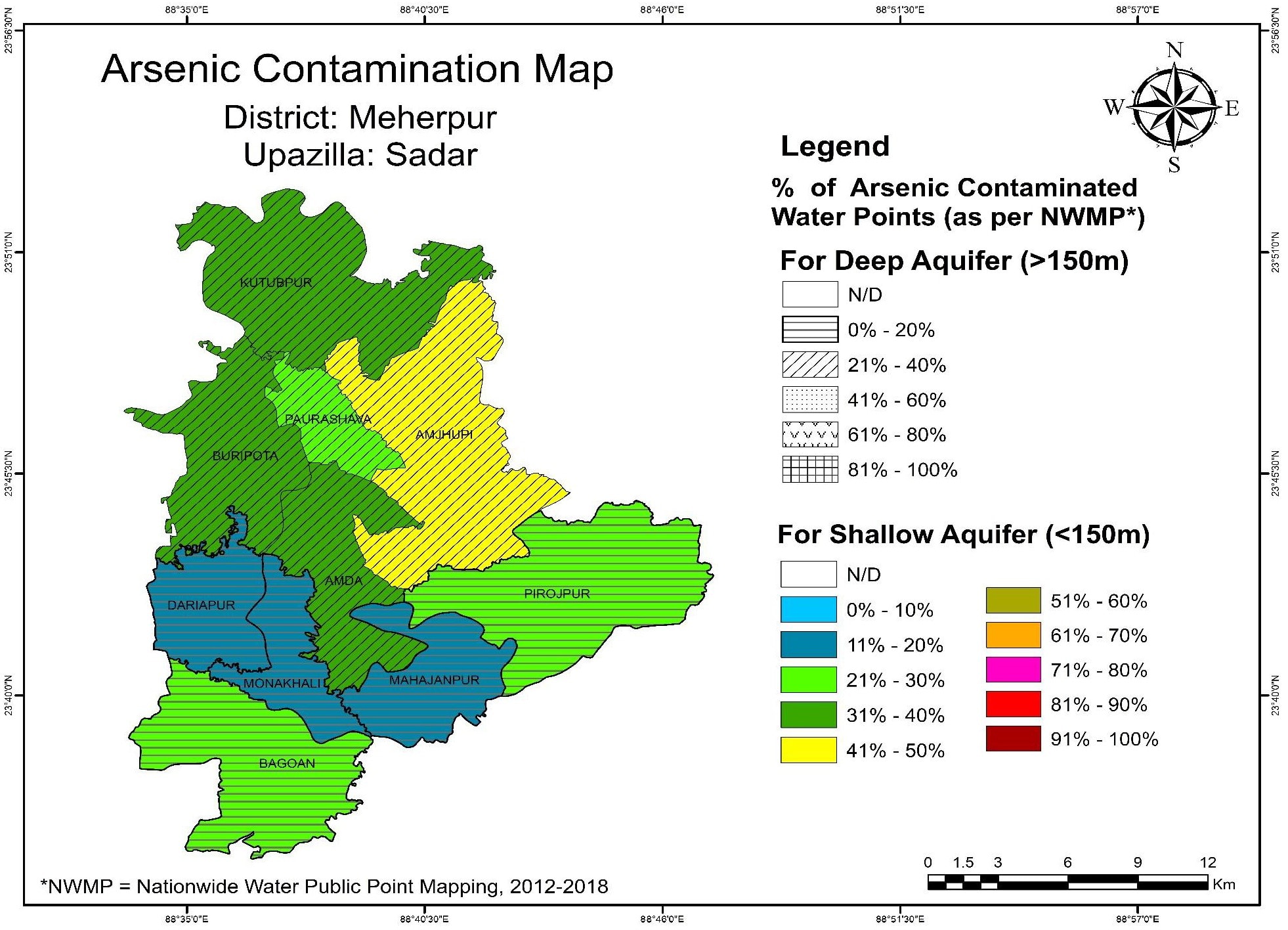
Streams Tech Ltd. prepared geospatial water technology maps for 44 districts under the Village Water Supply Project, addressing diverse hydrogeological conditions and contamination risks. The project created an inventory of water points, mapped contamination levels, and identified suitable technologies for rural water supply planning.
Engineering Design for Sanitation Infrastructure for the Rohingya Refugee Camps
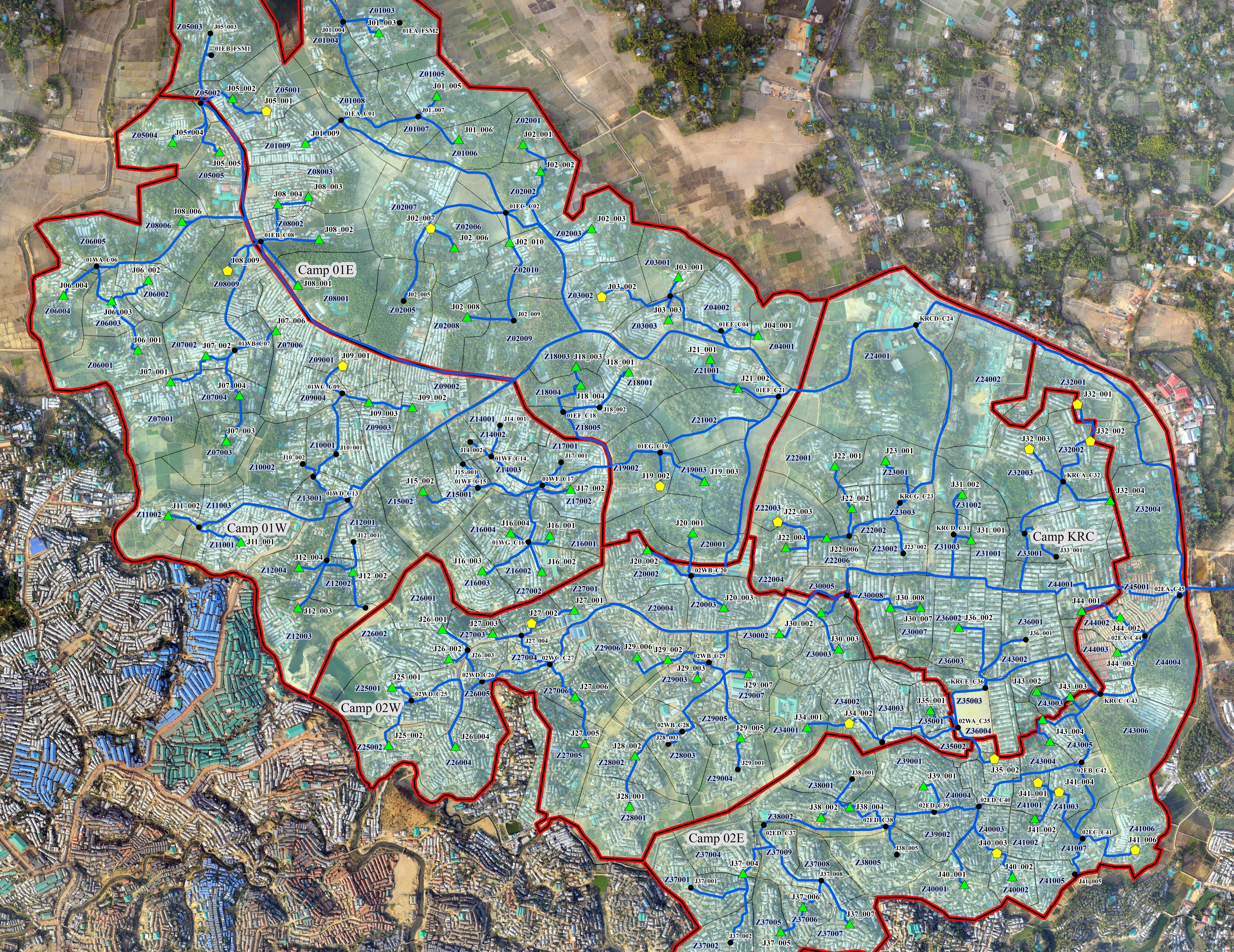
Streams Tech designed three intermediate fecal sludge transfer networks (IFSTN) for Rohingya refugee camps in Cox’s Bazar. The project strengthened sanitation services by creating durable, cost-effective infrastructure for fecal sludge collection, transfer, and treatment, ensuring service sustainability for at least ten years after installation
Planning Sustainable FSM & GWM Systems for Urban Municipalities with the CWIS Approach
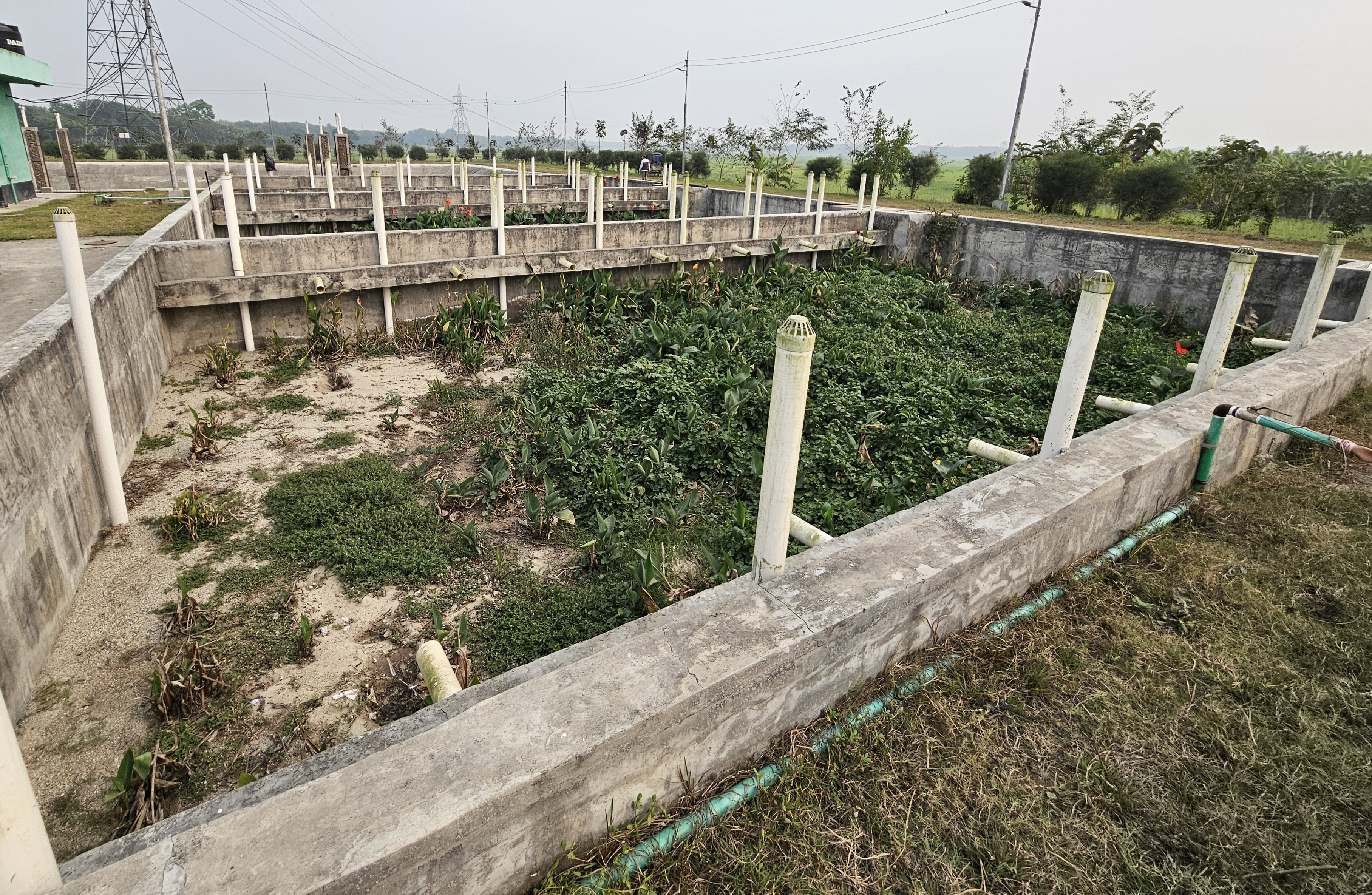
Streams Tech conducted a pre-feasibility study in seven towns, mapping maturity for fecal sludge management (FSM) and greywater management (GWM), and City-Wide Inclusive Sanitation (CWIS)-based strategies to strengthen governance and service delivery.
Exploring Hydropower Potential in Southeast Bangladesh
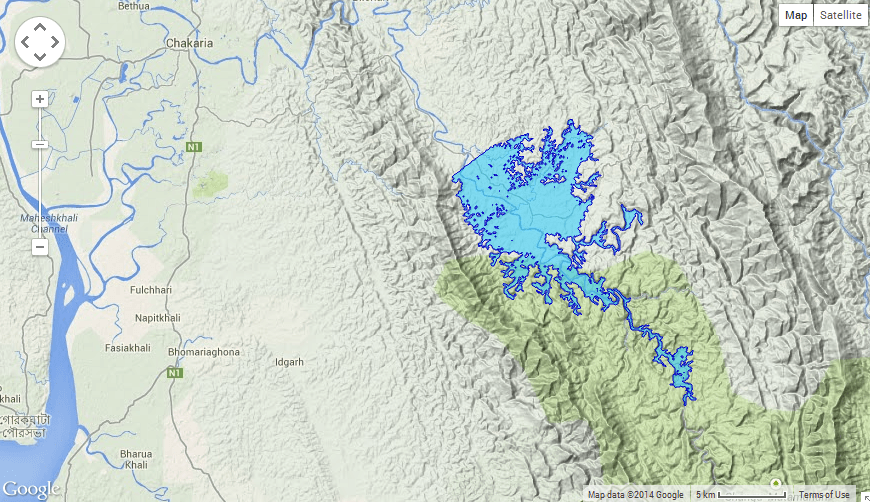
Streams Tech conducted a World Bank-financed hydropower feasibility study in Chattogram, assessing 19 sites along three rivers using hydrologic models and GIS analysis to evaluate generation potential and sustainability.